
When Taxes Turn Upside Down: How America’s Fiscal Rules Now Burden Workers More Than the Wealthy
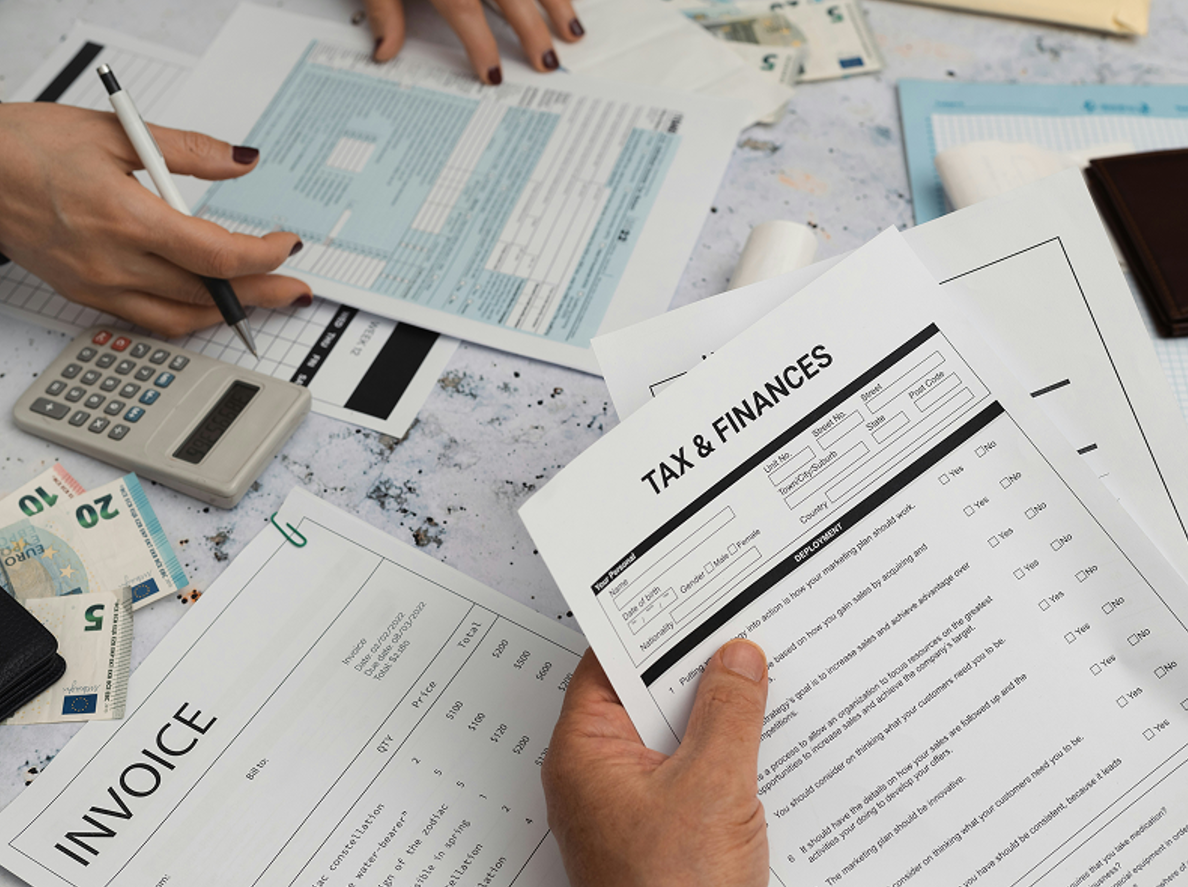
A fair tax system is one of the most powerful tools a democracy has for shaping opportunity. It funds public schools, infrastructure, healthcare, and the social foundations that allow citizens to lead dignified lives. But in the United States, that architecture of fairness has quietly inverted. Today, the workers who earn the least often contribute more of their income in taxes than those at the very top.

A fair taxsystem is one of the most powerful tools a democracy has for shapingopportunity. It funds public schools, infrastructure, healthcare, and thesocial foundations that allow citizens to lead dignified lives. But in theUnited States, that architecture of fairness has quietly inverted. Today, theworkers who earn the least often contribute more of their income in taxes thanthose at the very top.
I. How the Burden Shifted from Capital to Labor
Throughoutmuch of the 20th century, American taxation was guided by a simple logic:
Income from wealth should not be privileged over income from work.
High top marginal tax rates, strong estate taxes, and limits on avoidancemechanisms ensured that extreme wealth contributed proportionately to society.
But over thelast 40–50 years, the rules of taxation have shifted dramatically:
- Payroll taxes increased while wage growth stagnated
- Capital gains and dividends were taxed at preferential rates
- Corporate taxes fell as profits soared
- Wealth taxes were dismantled or never enacted
- Multinational firms learned to shift profits offshore
- Billionaires built sophisticated avoidance structures
The effect hasbeen decisive: the burden has migrated downward, and the rewards have migratedupward.
II. The Working Class Pays in Ways the Rich Do Not
The data fromSaez and Zucman show that the bottom half of American earners pay a quarterof their income in taxes—a significant share for families living close tothe edge.
Why?
Because theworking class faces taxes that are impossible to avoid:
- Payroll taxes apply to every paycheck.
- Sales taxes apply to every purchase.
- State and local taxes hit renters, commuters, and low-income households disproportionately.
Meanwhile, thewealthiest Americans have tools the working class does not:
- tax-advantaged capital gains
- trust structures that shield wealth
- foundations and donor-advised funds
- corporate profit shifting
- unrealized gains that escape taxation entirely
In effect, thetax code treats labor as taxable but treats wealth as optional.
III. When the Wealthiest Pay Less Than Workers: A Democratic Alarm Bell
The 2018 datapoint—the richest 400 Americans paying lower tax rates than workers earning$18,500—is more than a statistic.
It is a political signal.
When citizenssee a system where burden and benefit no longer align, trust erodes.
Relative deprivation deepens.
And resentment becomes a political force.
A regressivetax system:
- weakens belief in democratic fairness,
- fuels populist anger across the ideological spectrum,
- and makes compromise harder in an already polarized system.
The tax code,once a symbol of shared responsibility, becomes evidence of a system tiltedtoward privilege.
IV. The Economic Consequences: Underinvestment and Instability
Inequitabletaxation does more than create moral frustration—it reshapes the economyitself.
1. Underinvestment in public goods
Withinsufficient revenue from those most able to pay, America underfunds schools,transit, healthcare, and research.
2. Greater household vulnerability
When workersbear heavier tax burdens, they have less capacity to save, invest, or withstandshocks.
3. Increasing concentration of wealth
Low taxes oncapital accelerate compounding returns at the top, widening the gap year afteryear.
4. Erosion of long-term growth
A society thatunderinvests in human capital undermines its own productive capacity.
In this sense,a regressive tax system weakens not just fairness but efficiency.
V. A Closing Reflection: Rules Can Change—Because Rules Once Worked
The UnitedStates has not always taxed this way.
As earlier essays noted, mid-20th-century America maintained:
- high top marginal tax rates,
- robust estate taxes,
- strong corporate taxation,
- and limited avoidance pathways.
Inequality waslower.
Middle-class prosperity was broader.
And democratic institutions were more trusted.
This historymatters because it proves something essential:
Tax injustice is not inevitable. It is a policy choice.
A democracythat wants to preserve opportunity must revisit the rules of taxation—
not to punish success, but to rebuild an economic order where working Americansare no longer asked to carry more than their share.
Explore more curated readings on inequality.