
Why Inequality Matters

Reducing inequality is not only a moral imperative — it is an economic,
Inequality is often seen as the price of progress — a byproduct of ambition, competition, and freedom. But when inequality grows unchecked, it becomes a sign not of vitality, but of imbalance — one that weakens both economies and societies.

1. It weakens the foundations of capitalism.
As Nobel laureate Joseph Stiglitz argues, extreme inequality undermines the very efficiency that markets promise.
When wealth and opportunity concentrate in the hands of a few, innovation slows, productivity declines, and social mobility collapses.
An economy that excludes the many cannot sustain growth for the few. Healthy capitalism depends on broad participation, fair competition, and shared prosperity — conditions that inequality erodes.
2. It corrodes democracy.
Democracy rests on the belief that every voice carries weight.
Yet when economic power translates into political influence, the playing field tilts.
Policies begin to serve privilege, not the public good, and citizens lose faith in institutions meant to represent them. Inequality thus breeds cynicism and polarization — the quiet decay of democratic legitimacy.

3. It fractures social cohesion.
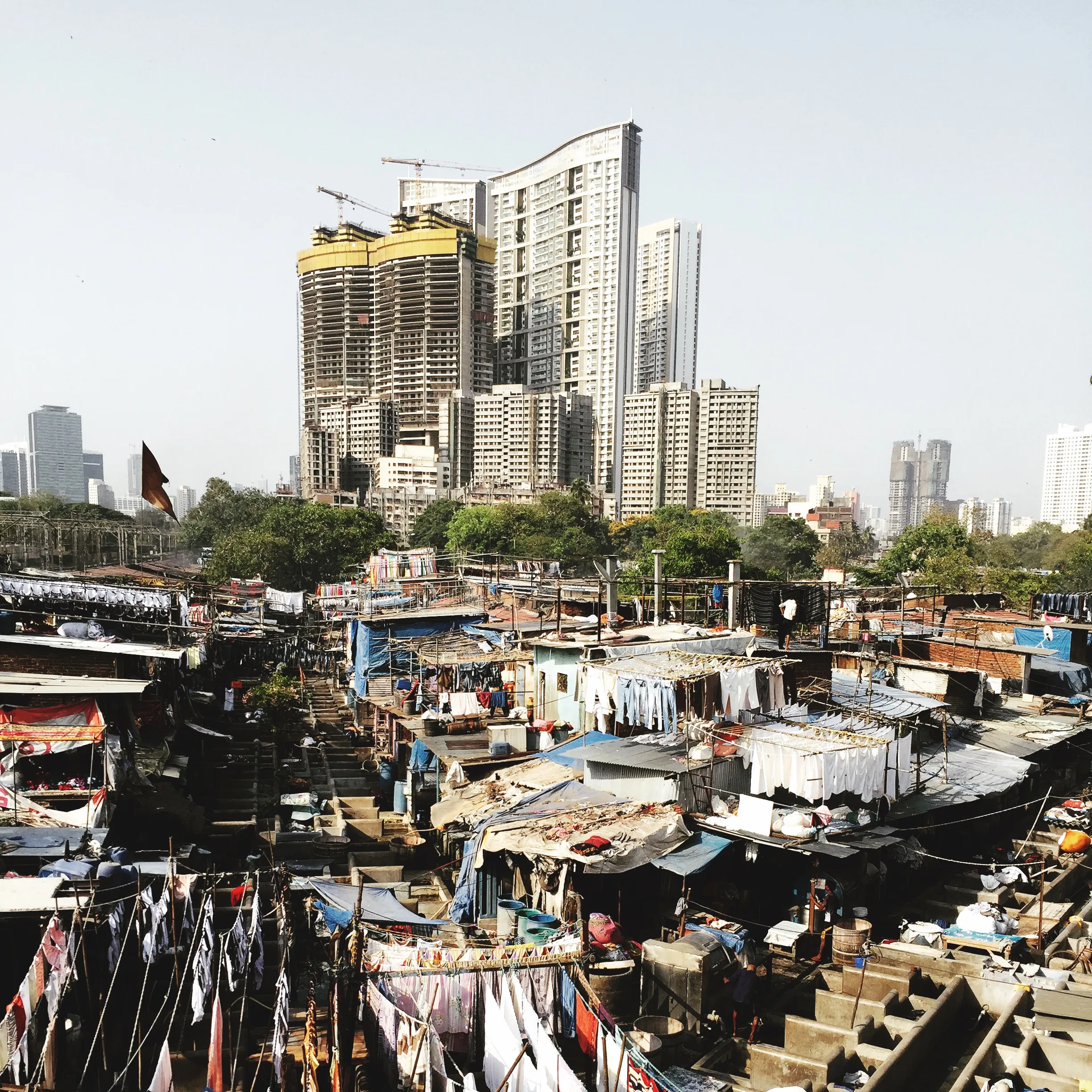
Beyond numbers and charts, inequality shapes how we see one another. When relative deprivation deepens — when people feel left behind while others surge ahead — resentment replaces trust, and solidarity fades.
No society can thrive when its members cease to believe they share a common future.
A Global Commitment to Reducing Inequality
In 2015, the United Nations adopted the 2030 Agenda for Sustainable Development — a universal call to action to end poverty, protect the planet, and ensure prosperity for all. Among its 17 goals, Goal 10: Reduced Inequalities stands as a cornerstone of global justice, urging nations to "reduce inequality within and among countries."This goal recognizes that inequality is not just a national concern, but a global challenge that transcends borders. It calls for fairer trade systems, inclusive institutions, equitable access to education and health, and the empowerment of marginalized communities everywhere.The Global Inequality Institute aligns its mission with this global framework — advancing research, education, and dialogue that echo the spirit of SDG 10. By connecting local action with global vision, GII contributes to the worldwide pursuit of fairness and shared prosperity.UN Sustainable Development Goal 10: Reduced Inequalities (Learn more → sdgs.un.org/goals/goal10)
Reducing inequality is not about leveling down success; it is about lifting up opportunity.
At the Global Inequality Institute, we believe that understanding is the first step toward change. Through research, education, and global dialogue, we work to build a future where fairness is not an exception — but the rule.